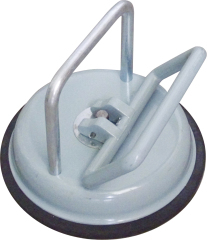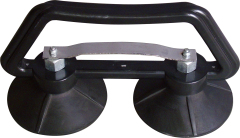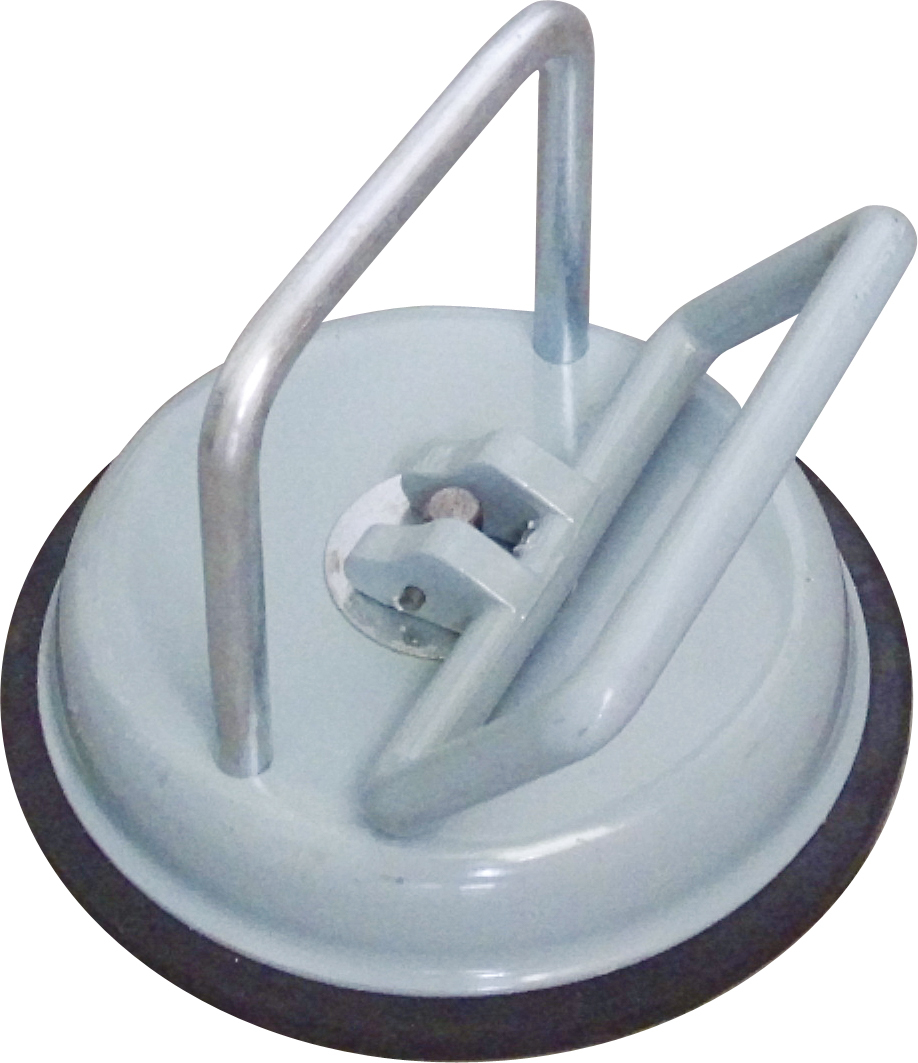
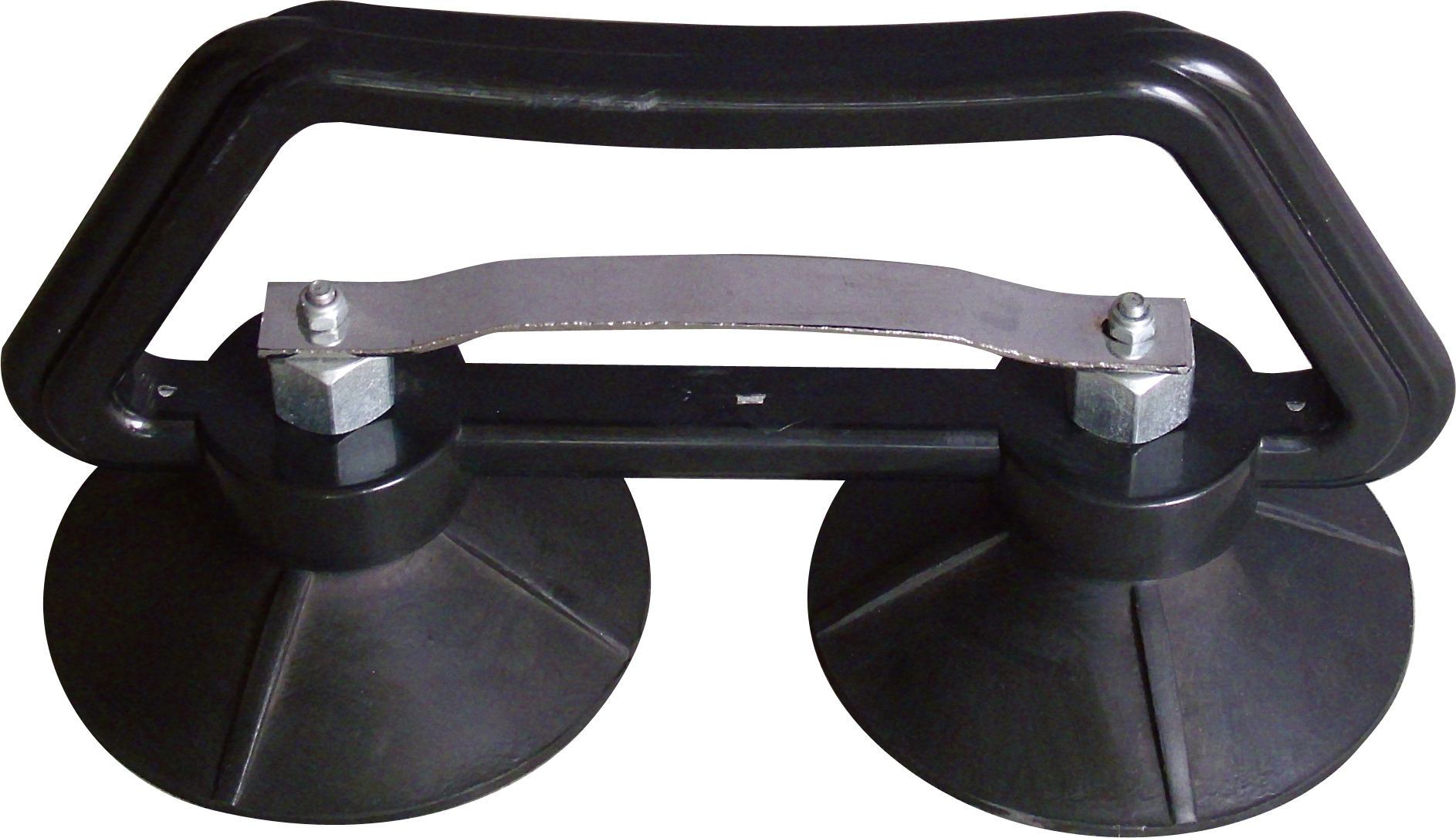
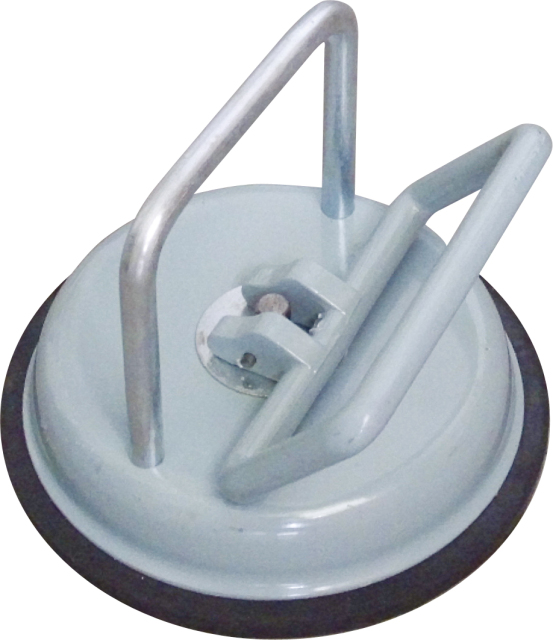

| Handle | Steel double handle on the single-cup model; reinforced steel handle on the double-cup model |
| Suction pads | One PVC pad on the single-cup model; two PVC pads on the double-cup model |
| Holding force | Standard single-pad grip on the single-cup model; double suction force on the double-cup model |
| Weight in hand | Lightweight single-cup build; heavier double-cup build for full-size sheets |
| Recommended applications | Small panel disassembly and repair (single-cup); full-size floor sheets in large construction works (double-cup) |
| Typical user | Service and maintenance technicians (single-cup); installation crews on project sites (double-cup) |
A few habits keep suction working through years of site use. Wipe the raised floor suction cup pads and the panel surface before you lift; dust and grit break the seal and are the usual reason a pad seems to lose grip. Store the lifter flat with the pads facing up rather than throwing it into a tool bag where a pad edge can be nicked. Keep pads away from oil, solvent and sharp metal edges, and never use the handle as a pry bar. Check the pad edge from time to time — once it hardens or tears, the seal weakens and the pad should be replaced. A dry wipe after use is enough; there is no need to wash the tool.
As a raised access flooring supplier, we cover a complete system rather than single items: pedestals and stringers, antistatic PVC and HPL tiles, PVC skirting, panel lifters and cutting blades, air diffusers, brush grommets, flip outlet boxes and in-floor cooling units. Our structural components suit OA, steel, wood core, calcium sulphate and aluminium raised floors, with pedestal heights from 70 to 1500 mm. Specifications such as stringer size and thickness can be customised to your project, so contractors can source compatible components, installation tools and cooling accessories from one supplier for data center, computer room and commercial fit-outs.
It is built for PVC flooring and anti-static raised floor panels. During raised floor installation the pads lift a tile straight up so it can be set down level again, and the same tool reopens panels later for cable, airflow or sensor work. The pad seals most reliably on a smooth, clean, dry surface, so check the panel face before the first lift.
Set the panel down where you want it, then peel one edge of the pad back to break the vacuum seal before lifting the tool free. Pulling the handle sideways while the pad is still attached is the quickest way to nick a pad edge. Work on a flat surface and the release stays predictable lift after lift.
The PVC pad presses flat against the panel and forms a vacuum seal, so the panel is held by the pad instead of being levered at its edge. Press the pad down squarely, check that it has seated across its whole face, then lift vertically. Keep the pad face clean and the grip holds through repeated lifts without slipping.
The single-cup model uses a steel double handle that keeps the pull balanced between both hands, and the double-cup model steps up to a reinforced steel handle for the extra weight of a full-size sheet. Both are built from solid steel, so they stand up to being carried on and off site every day.
The pads are soft plastic PVC, so on a clean panel they lift without leaving marks or scuffing the finish. Marks usually come from grit trapped between the pad and the panel, or from dragging a tile instead of lifting it. Lift vertically and set the panel down rather than sliding it into position, and the finish comes through untouched.
Suction needs a continuous surface to seal against. On a panel with perforations or a grille, the hold is weaker over the open area, so keep the pad fully on the solid part of the tile and lift from there. If your panels are perforated across the whole face, tell us what you are lifting and we will confirm the most suitable option for your floor.